
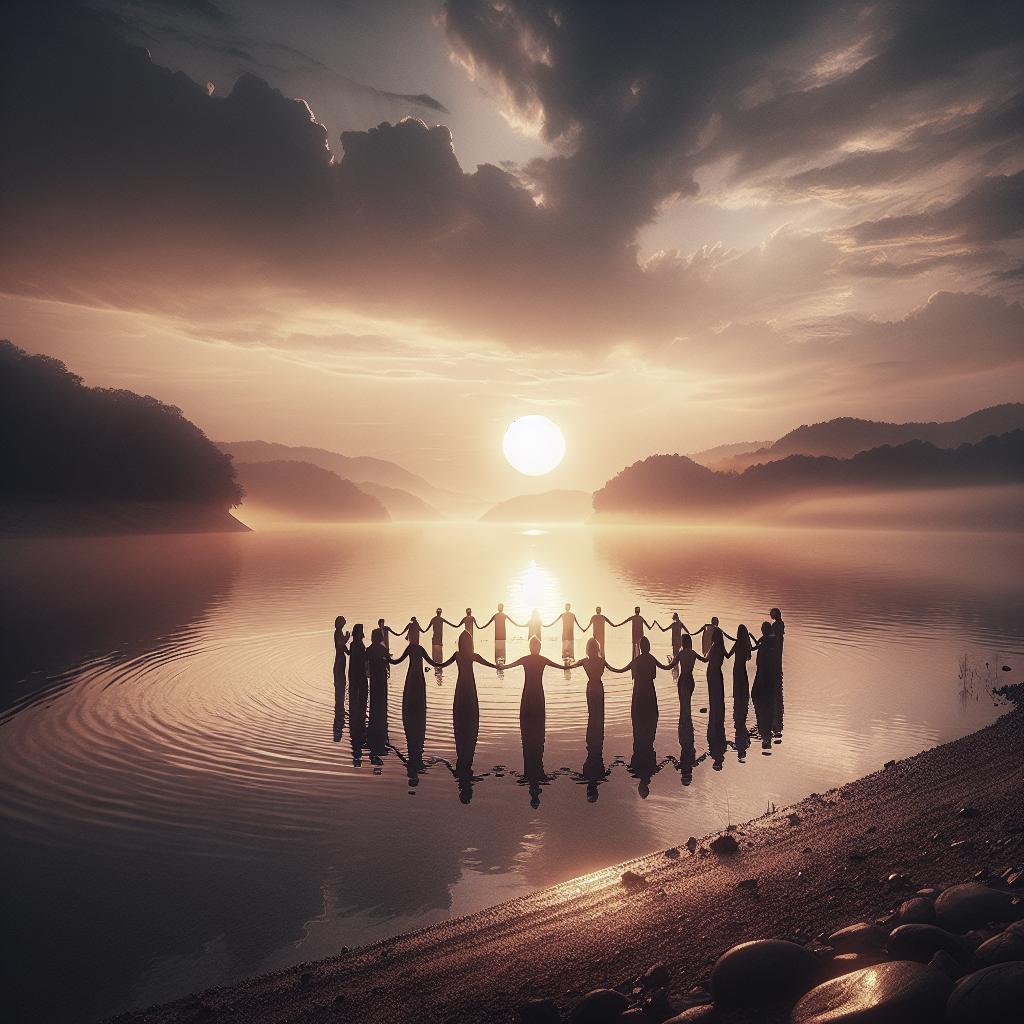
### The Essence of Water in Lakeside Ceremonies Water is a universal symbol of life, renewal, and purification. Its presence in ceremonial practices across the world highlights its immense significance, especially in lakeside ceremonies. This blog delves into the multifaceted role water plays in cultural rituals, from its essence and symbolism to unique ceremonies that center around it. We explore water in a diverse range of cultural practices, emphasizing the symbolic representation of water in human experience. Additionally, we discuss three remarkable ceremonies—Banyu Pinaruh, Japanese Onsen, and Chaul Chnam Thmey—which beautifully illustrate the transformative power of water within cultural traditions. Through an exploration of various cultural perspectives and practices, this blog seeks to enrich your understanding of the profound connection between water and human spirituality. ### WATER IS LIFE Water is fundamentally intertwined with life, irreplaceable in its significance for sustaining existence on Earth. It covers about 71% of the Earth’s surface and makes life possible in its diverse forms. It is crucial for the survival of all known forms of life, including humans. Beyond its physical necessity, water represents life itself, encompassing notions of birth, purity, and cleansing. Lakes, in particular, are serene and mystical settings, often standing as a bridge between the physical and spiritual realms. In the context of a lakeside ceremony, water’s essence is expressed through its reflective and encompassing nature. The stillness of a lake symbolizes tranquility and introspection, offering a space where individuals can connect with the spiritual world. This connection brings participants into a state of meditation and reflection, allowing for renewal and peace. Lakeside ceremonies take advantage of these water properties to inspire emotional and spiritual healing. ### WATER ACROSS CULTURE Water holds a special place across all cultures, weaving itself into folklore, spiritual teachings, and communal traditions. Many cultures view water as a lifeline that carries stories from the past and aspirations for the future. Its role is celebrated, revered, and ingrained in cultural practices and beliefs, with every culture giving a unique significance to this life-giving resource. In many indigenous communities, water is seen as the lifeblood of Mother Earth, deserving utmost respect and protection. Ceremonies and practices are crafted around gratitude for water and acknowledgment of its critical role in sustaining life. In contrast, other communities may see water as a purifying force or as a metaphor for life’s journey and the obstacles therein. These perspectives shape the way water is incorporated into various cultural practices, making each lakeside ceremony an echo of the values and beliefs specific to that culture. ### REMARKABLE WATER CEREMONIES Ceremonies centered around water have a powerful shared heritage, carrying a deep and enduring spirituality. Each ceremony is unique, often incorporating the characteristics of the surroundings, the body of water involved, and the particular cultural practices. Celebrating water in such ways reinforces both religious and community identity and continuity. Some ceremonies explicitly worship bodies of water, like rivers and lakes, while others invoke water as a symbol of transformation and renewal. These remarkable ceremonies transcend religious and cultural lines, blending ancient traditions with contemporary practices, bringing people together in unity and shared purpose. Each water-centered ceremony opens a dialogue between human beings and the natural world, celebrating the gift of water and honoring its sacred place in our lives. ### BANYU PINARUH Banyu Pinaruh is a traditional Balinese ceremony that beautifully showcases the sacredness of water. Held the day after Saraswati Day, this purification ritual emphasizes cleansing and spirituality. Participants gather at beaches, lakes, or rivers before dawn to bathe, signifying the cleansing of the mind and body and the removal of negative influences. Water symbolizes wisdom in Balinese culture, with the Banyu Pinaruh serving as a reminder of the endless quest for knowledge and personal growth. This intimate connection to water reflects the belief in the healing and enlightening powers of a pure heart and mind. By immersing themselves in water, participants renew themselves for the upcoming year, reinforcing the eternal link between the human spirit and the natural world. Besides its spiritual significance, Banyu Pinaruh also acts as an opportunity for community bonding. Friends and families unite in the early hours, strengthening communal ties and shared histories. This sense of unity, grounded in the powerful experience of the ceremony, fosters a renewed sense of shared purpose and potential. ### JAPANESE ONSEN In Japan, the concept of Onsen—or hot spring bathing—exemplifies the cultural reverence for water’s soothing and healing attributes. These natural geothermal springs are scattered across the country, steeped in a tradition that dates back centuries, embodying relaxation and rejuvenation. Onsens are more than just a physical experience; they provide a meditative escape from the stresses of daily life. The act of soaking in mineral-rich geothermal waters is believed to have restorative properties, fostering not only physical wellness but mental tranquility. Being enveloped by nature during an Onsen visit enhances its effects, illustrating the symbiotic relationship between humans and the elements. The Onsen tradition encourages mindfulness and connection to nature, qualities reflected in many Japanese ceremonies. In lakeside and riverside settings, the serene environment and soothing waters inspire a deep sense of peace, connecting individuals with the simple pleasures of life’s natural processes. ### CHAUL CHNAM THMEY Chaul Chnam Thmey, celebrated by the Khmer people of Cambodia, marks the Cambodian New Year and coincides with the end of the harvest season. Built upon an ancient association of water with renewal and purity, this festival includes a plethora of traditions and practices, often centered around ritual cleansing. Participants engage in water splashing rituals, symbolizing washing away the past year’s misfortunes. The process is joyous and communal, strengthening social bonds and allowing participants to step into the New Year refreshed and renewed. The practice underscores water’s ability to cleanse, foster rejuvenation, and bring individuals closer together. Situated in the vibrant backdrop of Cambodian lakes and waterways, Chaul Chnam Thmey embodies the regeneration of spirit and community. It encompasses a time of joy, agrarian celebration, and renewal, where the waters guide pilgrims on their spiritual journey. The role of water in such ceremonies continues to exemplify its irreplaceable role in cultural and spiritual rebirth. ### Future Prospects Water continues to be a vital element in cultural ceremonies around the world, representing life, renewal, and spiritual purity. Each culture brings its own unique interpretation to the element, utilizing water’s symbolic power to cleanse, rejuvenate, and unite. As we move forward, the continued celebration and safeguarding of water’s sanctity is essential to maintaining these rich traditions.
| Subheading | Summary |
|---|---|
| WATER IS LIFE | Explores water’s symbolic and literal significance in life and lakeside ceremonies, emphasizing its spiritual connection and healing properties. |
| WATER ACROSS CULTURE | Discusses how various cultures appreciate water, seeing it as a life force, purifying force, and integral part of spiritual and communal life. |
| REMARKABLE WATER CEREMONIES | Highlights diverse water ceremonies across cultures, focusing on their spiritual significance and universal parallels in transforming and connecting communities. |
| BANYU PINARUH | Covers the Balinese purification ceremony that uses water to cleanse and renew the spirit, fostering individual and community growth. |
| JAPANESE ONSEN | Discusses the Japanese tradition of Onsen bathing as a meditative and restorative practice, reinforcing the connection between water, nature, and well-being. |
| CHAUL CHNAM THMEY | Examines the Cambodian New Year festival’s water rituals, highlighting water’s role in renewal, cleansing, and social unity during this celebratory period. |

